Most businesses in the restaurant and hotel industries recruit reactively. An employee quits, a position opens up—and only then does the search begin. This reflex is understandable, but it’s the reason why hiring so often feels like an emergency.
There’s another way, and it’s called a candidate pipeline. Instead of filling each position individually and under time pressure, a company builds up a continuous stream of suitable candidates—before the vacancy arises. This article explains what a candidate pipeline is, why it makes a difference—especially in international recruitment—and how a company can build one in practice.
Why Reactive Recruiting Doesn’t Work Anymore
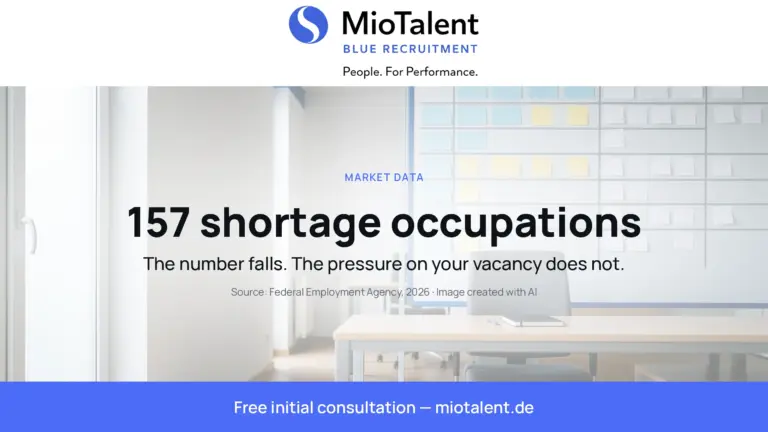
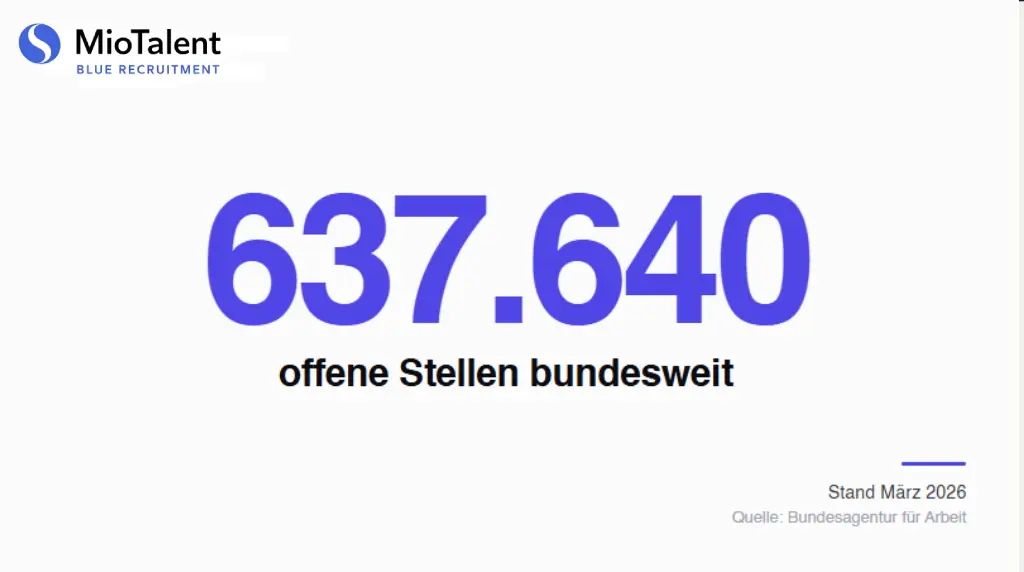
The current situation in the German labor market leaves less and less room for hiring individual candidates. Nationwide, approximately 637,640 job openings were reported in March 2026. In the hospitality industry, a position remains unfilled for an average of about 198 days—more than half a year.
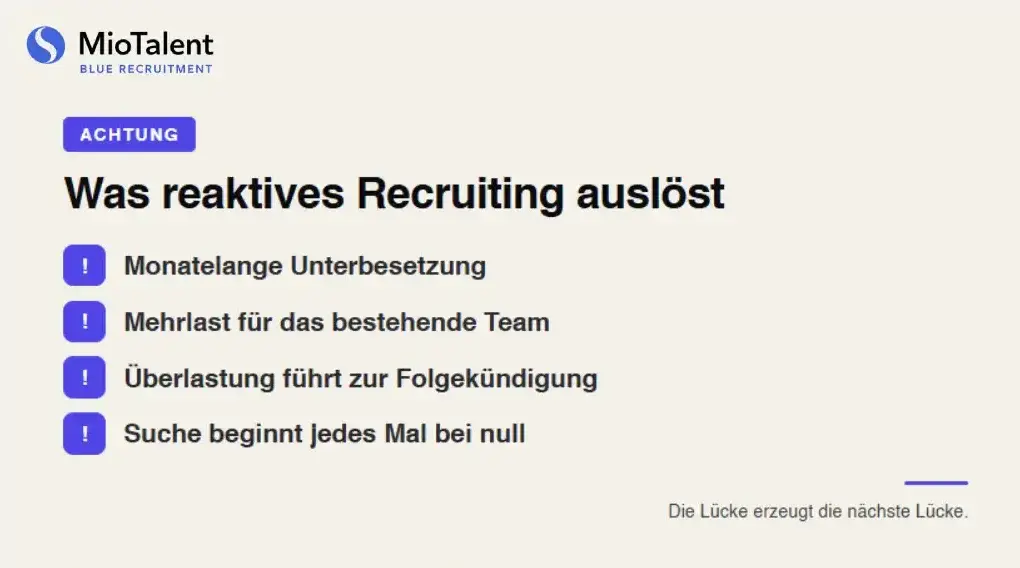
These figures have practical implications. Anyone who waits to start the search until the position is already vacant faces half a year of understaffing before a replacement is found. During this time, the remaining employees bear the extra workload, service suffers, and in the worst-case scenario, the overload leads to another resignation. Reactive recruiting thus often creates the very problem it is meant to solve.
A candidate pipeline breaks this cycle. It shifts the effort to the front end: The search is ongoing, not just when an emergency arises. When a position opens up, the company draws on an existing pool of candidates instead of starting from scratch.
What Is a Candidate Pipeline?
A candidate pipeline is not just a pile of old applications. It is a structured, well-maintained pool of potential employees with whom a company stays in touch—even when there are no open positions.
There are three key differences between this and a traditional applicant portfolio. First, the pipeline is forward-looking: it includes candidates for positions that the company plans to fill in a few months. Second, it is actively maintained: contact is kept up, and information is kept up to date. Third, it is tailored to specific needs—it reflects the positions that, based on experience, regularly need to be refilled within the company.
This approach is particularly effective in international recruitment. Bringing in a skilled worker from abroad requires lead time anyway—selection, contract, visa, and certification. If you don’t wait until the position is urgently needed to start this process, but instead maintain a pipeline, you can turn a process that’s difficult to plan into one that’s predictable.
How a Company Builds Its Pipeline
Building a candidate pipeline can be broken down into four steps.
Step 1 — Anticipate needs. The first step is to take an honest look at the current situation: Which positions regularly become vacant at the company? Where are age-related departures on the horizon, and where are there seasonal patterns? This analysis determines which roles need to be filled in the talent pipeline.
Step 2 — Identify candidates. Next, the pool of candidates is built up. In the case of international recruitment, this is done through partners in the candidates’ home countries, who pre-screen them. Continuity is key: Candidate sourcing is an ongoing process, not a one-time effort.
Step 3 — Stay in touch. A pipeline that isn’t maintained becomes outdated. You need to stay in touch with candidates, update their availability, and document their qualifications. This is the step that is most often underestimated—and the one that determines the value of the pipeline.
Step 4 — Link to workforce planning. The pipeline only becomes useful once it is integrated with the company’s workforce planning. If you know that two positions will become available in the fall, you can initiate the onboarding process for the right candidates in a timely manner.
How the Pipeline Changes Operations
A well-functioning candidate pipeline transforms human resources in more fundamental ways than it might seem at first glance.
It makes recruiting predictable. A job opening is no longer a shock, but a planned step. The company takes action instead of reacting.
It shortens the critical phase. Instead of a 198-day vacancy period starting from the date of termination, the process begins as soon as a departure becomes apparent—or is already running in the background anyway.
And it takes some of the pressure off the team. Because staffing shortages occur less frequently and last for shorter periods, the extra workload on the existing staff is reduced. This also lowers the risk of subsequent layoffs, which reactive recruiting so often triggers.
A candidate pipeline isn’t just a tool for large corporations. It’s a strategic approach that works for any business that wants to move its hiring process out of crisis mode. The effort lies in consistency—the reward is predictability.
This is exactly where MioTalent comes in. We build a continuous pipeline of international skilled and unskilled workers for businesses in the restaurant and hospitality industries—pre-screened, well-supported, and tailored to specific needs. This gives employers greater predictability. We take care of the rest.
Note to Editors
The key figures cited are taken from publications by the Federal Employment Agency (job openings and vacancy durations, as of March 2026). This article provides a general overview and is not a substitute for individual counseling.